




































The things we’re so happy about not having in our environment today, like using gasoline with lead and industrial pollution, were seen as signs of prosperity before the celebration of Earth Day, even though they neglected Earth’s environmental health, so Earth Day is kind of a mental health day for Earth.
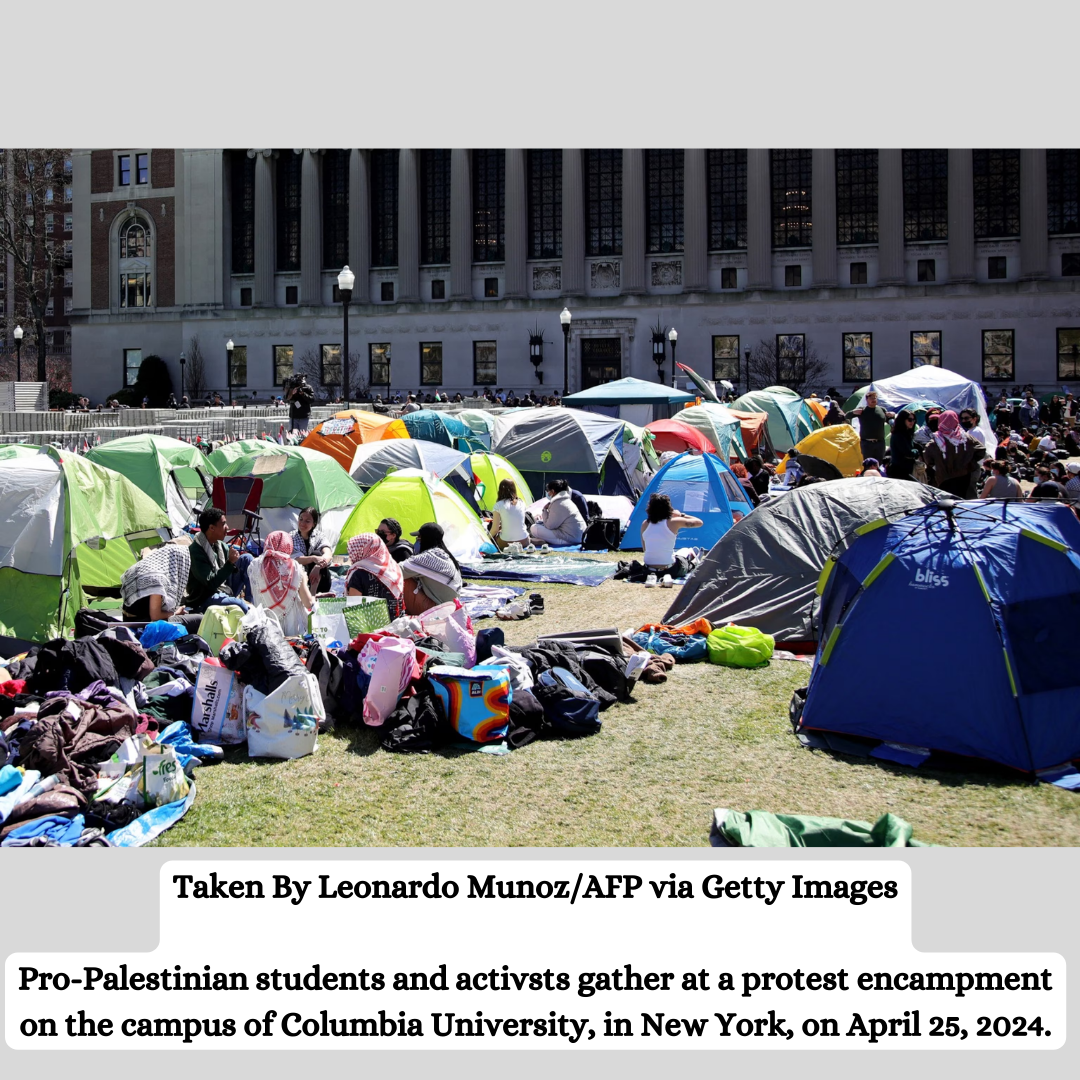
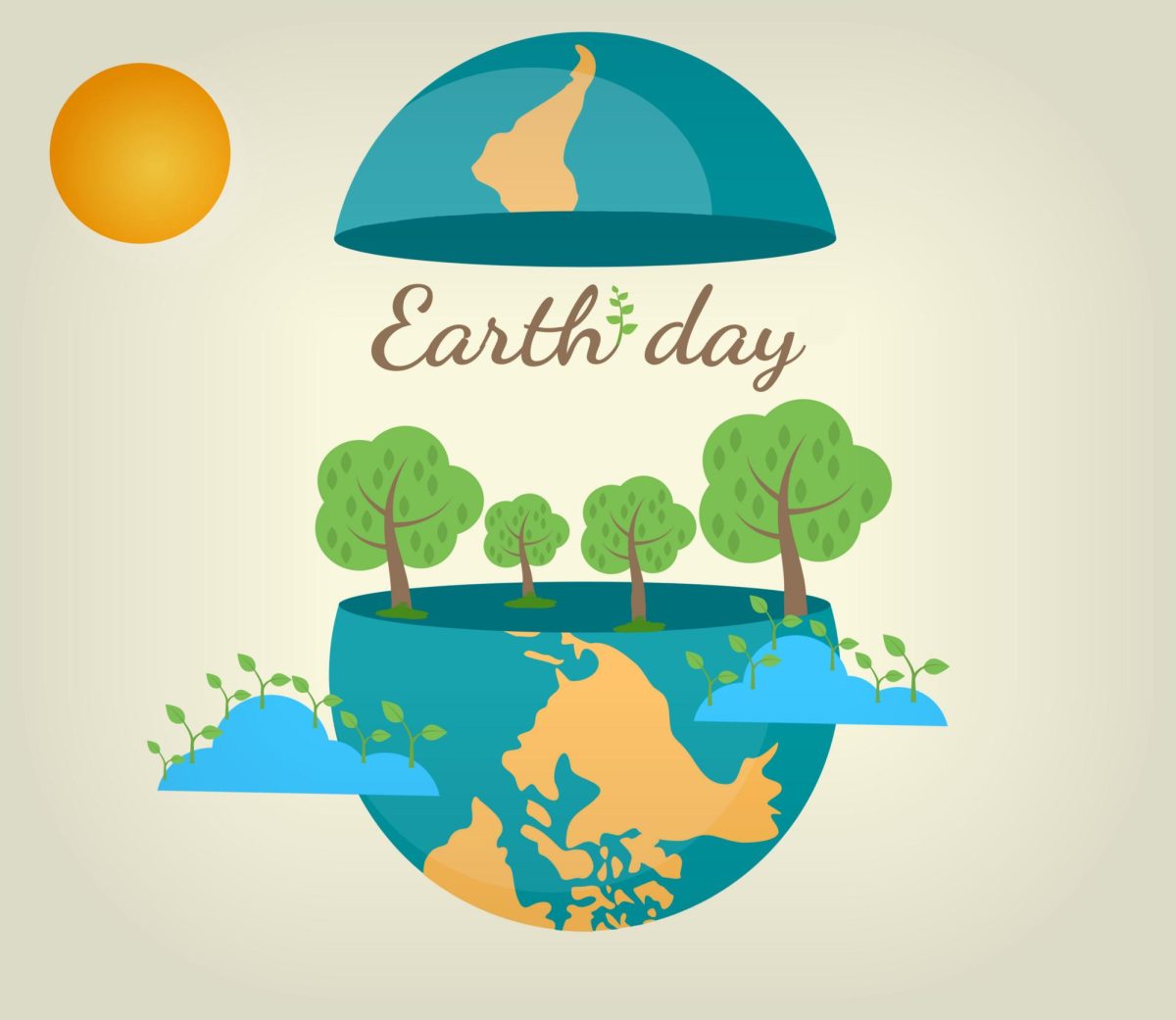
From the 1960s all the way up to 2020, the idea and importance of Earth Day were developed and celebrated by people from all over the world. Let’s start where the world did, in 1962. Although the first Earth Day wasn’t until 1970, in ‘62 the public started to see the true dangers of what they were doing, including the effects pollution has on people through the book “Silent Spring” by Rachel Carson. In 1969, more inspiration for Earth Day came when a major oil spill in Santa Barbara inspired Senator Gaylord Nelson to increase student activism in the environment. Nelson later offered a teach-in about air and water pollution, teaming up with Congressman Pete McCloskey to co-chair him with this initiative. Along with McCloskey, Denis Hayes helped this activism by choosing April 22 for the “Earth Day” initiative to take place (the same day Earth Day is celebrated now). Once this initiative found the light of the media, 20 million Americans advocated against pollution. This 1970 celebration became the largest secular day of protest in the world and still is to this day.
Fast forward to 1980, when the principal Earth Day event took place in Washington. D.C. across from the White House. This decade marked the beginning of major environmental legislation in the U.S., including the Endangered Species Act, Marine Mammal Protection Act, Superfund, Toxic Substances Control Act, the Resource Conservation and Recovery Act, and, along with all that, the Clean Air Act and Clean Water Act. These legislative actions helped create the Environmental Protection Agency and the banning of DDT and of lead in gasoline.
The 1990 Earth Day greatly boosted recycling efforts worldwide and helped pave the way for the United Nations Earth Summit in 1992. This was the Earth Day that truly went global, with people in 141 countries pushing environmental issues onto the world stage. Along with this, Senator Nelson was awarded the Presidential Medal of Freedom for his role as Earth Day founder.
In 2000, Hayes agreed to lead another campaign, focusing on global warming and pushing for clean energy instead of pollution. By now Earth Day had the internet to help connect activists all around the world, and by Earth Day, around 5,000 environmental groups worldwide participated and reached out to hundreds of millions of people in 184 countries.
Being the 40th anniversary, nearly one billion people around the world celebrated Earth Day in 2010 by planning a green economy and taking part in environmental rallies. On this day, more than 200 elected officials in more than 39 countries took part in planning to create sustainable green economies and reduce their carbon footprints. Six years later, in 2016, the United Nations signed the most significant climate accord in the history of the climate and environmental movement with world leaders from 175 countries on Earth Day.
The Great Global CleanUp, Citizen Science, Advocacy, Education, and Street Art were all used to celebrate the 50th Earth Day in 2020. Many of the planned activities were moved online that year because of COVID. Despite this, EARTHDAY.ORG and a group of youth activists hosted a three-day livestream that commemorated the 50th anniversary of Earth Day in the United States. Along with this, over 1 billion people worldwide participated in Earth Day actions, while 100 million watched the 50th anniversary in the largest online mass mobilization in history.
As you can see, Earth Day has changed greatly from its start. It used to be celebrated by teach-ins on the streets and now by online events and environmental groups, so maybe with a little of both, we can make the world a better place. Happy Earth Day!